01 · PRODUCT WEDGE
Expose an undervalued modern portfolio.
RAK Earth and similar ranges combined an artisanal-looking visual language with the durability, consistency and replenishment expected in professional foodservice.
HORECA & Co. — Foodservice tableware distributor developing RAK Porcelain in Québec and Eastern Canada.
RAK Earth and similar ranges combined an artisanal-looking visual language with the durability, consistency and replenishment expected in professional foodservice.
Direct access to decision makers made these accounts faster to develop for awareness, product pilots and early sales than more layered hotel or group structures.
Chef questions, objections, operational tests and replacement timing were fed back into product selection, qualification and future account priorities.
The account was researched first. Google, social media, menus and plating photography were used to identify product fit; selected samples were then delivered with a customized message and followed by direct chef feedback.
The CRM was used to map and prioritize targets, coordinate two sales representatives, track samples and follow-ups, and separate immediate opportunities from future replacement potential.
Two images show the restaurant’s existing tableware. The Beef Wellington was photographed on the RAK plate selected for the pilot.


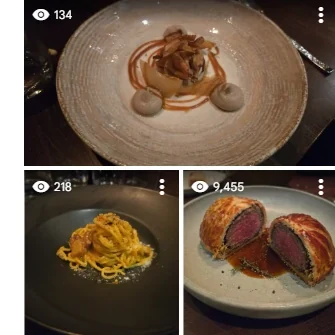
The three photos were followed over the same one-month period. The RAK pilot-plate image reached 9,455 views, compared with 218 and 134 views for dishes shown on the restaurant’s existing plates.
The screenshot above is the source capture; the comparison at right makes the difference easier to scan.
Chef-led independents created awareness, early sales and fast feedback. Field experience also showed that strong product appreciation did not always mean an immediate buying window, so replacement timing and higher-volume operators became more important qualification variables.
Additional detail on how the commercial approach changed by account type, and how HubSpot was deployed to turn the strategy into a repeatable team process.
Field feedback showed that one standard sales pitch would not work across the market. The core strategy stayed consistent—understand the account, reduce adoption friction and prove value physically—but the proposition changed according to the restaurant’s buying habits, current tabletop and operational pain points.
Commercial learning: the market was not segmented only by restaurant type. It was also segmented by how each account buys, what it already uses, what problem it needs solved and when it is realistically able to change.
Summary: I deployed HubSpot as the operating layer for the Québec market-development strategy and guided two sales representatives through its use. The objective was not simply to store contacts; it was to convert a broad restaurant market into a prioritized, traceable pipeline with clear ownership, samples, next actions and replacement timing.
Management value: HubSpot connected market mapping, team activity and field learning in one commercial system, making it possible to see not only who had been contacted, but what had been tested, what the account needed and what should happen next.
I identified an underexploited position for contemporary RAK ranges such as RAK Earth: visually distinctive enough to compete in chef-led environments, while retaining the durability, consistency and replenishment advantages of professional porcelain.
For a customized-plate opportunity, I translated customer requirements into design and production needs, coordinated feasibility and iterations with the manufacturer, and maintained commercial follow-up throughout the process.
Capabilities evidenced through the work above.
FITEX · Market entry, product development, manufacturing alignment and Canadian client acquisition.
2007–2022 · LebanonChemaly for Marketing & Trade · FMCG distribution, portfolio, sales leadership and operating growth.